

Mold Inspection in Connersville, IN
Connersville's humid continental climate sustains elevated moisture levels year-round, creating conditions where mold can develop and persist in homes—particularly in basements and crawl spaces where moisture naturally collects. A professional mold inspection identifies active growth, moisture sources, and affected areas before they compromise indoor air quality or structural integrity. Barrett Mold Remediation connects Connersville property owners with local inspection providers who can assess your home and recommend the right remediation path forward.
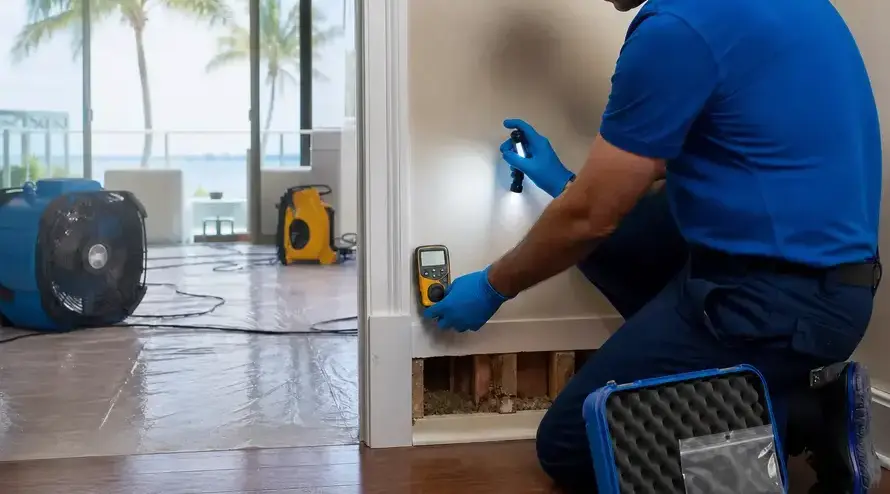
What does a mold inspection look for in Connersville, IN?
Before paying for sampling it is worth knowing what a result can and cannot establish. EPA publishes an answer, quoted here as written.
Surface sampling may be useful to determine if an area has been adequately cleaned or remediated.EPA
Sampling for mold should be conducted by professionals who have specific experience in designing mold sampling protocols, sampling methods and interpreting results.EPA
So sampling earns its place at the two ends of a job — confirming what is there when it is hidden, and confirming it has gone once the work is done. EPA is equally clear that it is not always needed: in most cases, if visible mold growth is present, sampling is unnecessary, and there is no federal number a result can be measured against.
In most cases, if visible mold growth is present, sampling is unnecessary.EPA
Standards or Threshold Limit Values (TLVs) for airborne concentrations of mold, or mold spores, have not been set.EPA
There is a reason to look harder here than the visible surface: Fayette County has recorded flood events in 18 separate years, most recently in 2025. Water that arrived years ago leaves growth behind whether or not anyone found it at the time.Source: NOAA Storm Events Database, Fayette County (1996-2026; Flood, Flash Flood and Coastal Flood events)
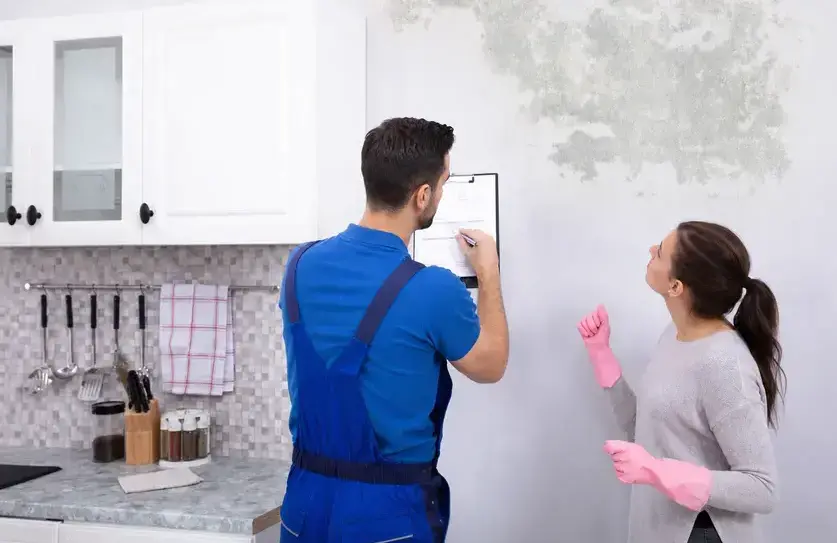
Mold Inspection Services for Connersville Homeowners
Connersville property owners face persistent moisture challenges that create ideal conditions for mold growth indoors. The region's humid continental climate maintains elevated relative humidity levels throughout much of the year, which keeps moisture pressure on homes consistently high. Older homes throughout Connersville commonly feature basements and crawl spaces—areas where trapped moisture naturally accumulates and mold frequently takes hold. Without regular inspection, these below-grade spaces can become hidden centers of mold development, potentially affecting indoor air quality and the structural integrity of the home before problems become visible.
Barrett Mold Remediation connects Connersville property owners with independent local providers who perform thorough mold inspection to identify growth at early stages, before it spreads. Inspections include visual assessment, moisture mapping, and targeted sampling to understand the scope and source of any contamination. Once inspection results are in hand, the providers Barrett connects you with can guide you through remediation planning and coordinate safe removal and moisture control. This referral approach ensures you're working with knowledgeable local professionals who understand Connersville's specific moisture environment and can help protect your home's indoor environment for the long term.
Why Connersville Property Owners Choose Barrett Mold Inspection
Fast Local Mold Inspection Access
Barrett connects Connersville property owners with nearby mold inspection providers who respond quickly. Local availability means shorter wait times and faster assessment of potential moisture and mold concerns in your home.
Thorough Mold Inspection Process
Mold inspection through Barrett's network includes detailed moisture assessment and visual evaluation of affected areas. Inspectors identify the scope of growth and moisture sources, providing you with clear, actionable findings for remediation decisions.
Clear Communication on Mold Findings
Barrett-connected inspectors explain mold inspection results in straightforward terms, not technical jargon. You'll understand what was found, where, and why—so you can make informed decisions about next steps with confidence.
Mold Inspection for Moisture-Prone Basements
Connersville's year-round humidity creates persistent moisture pressure indoors, particularly in basements and crawl spaces where trapped water collects. Thorough mold inspection in these areas catches early growth before it spreads, protecting air quality and structural integrity.
How Our Mold Inspection Process Works
Request Your Mold Inspection
Contact Barrett Mold Remediation to schedule a mold inspection appointment with a local provider in Connersville. We connect you with an independent inspector who will assess your property for visible mold growth and moisture conditions.
Complete the Mold Inspection Assessment
A local mold inspector visits your home to examine areas prone to moisture accumulation, including basements and crawl spaces where trapped humidity commonly allows mold to develop. The inspector documents findings and discusses potential moisture sources affecting your indoor air quality.
Receive Inspection Results and Next Steps
The inspector provides you with detailed findings and outlines remediation options if mold is present. You can then connect with a local remediation provider from our network to address any contamination identified during the inspection.
Dealing with Mold Inspection in Connersville? Get fast, professional help.
Call Now — (765) 885-6366Mold Inspection Across Connersville's Neighborhoods
Connersville's combination of year-round humidity and older residential construction creates persistent moisture conditions that make mold inspection especially important for property owners. The region's elevated relative humidity—present through most seasons, not limited to wet weather—keeps indoor moisture levels naturally higher than in drier climates. This sustained moisture pressure affects how mold develops and spreads within homes, particularly in below-grade spaces where water intrusion and condensation accumulate over time.
Many properties throughout Connersville feature basements and crawl spaces that are especially vulnerable to trapped moisture and mold colonization. These below-ground areas often become the first locations where mold takes hold, making a thorough mold inspection of foundations and lower levels critical for catching problems early. A professional mold inspection in Connersville focuses on moisture patterns, ventilation gaps, and water entry points that reflect the area's specific environmental conditions, helping property owners address both visible and hidden mold before it affects indoor air quality or structural integrity.
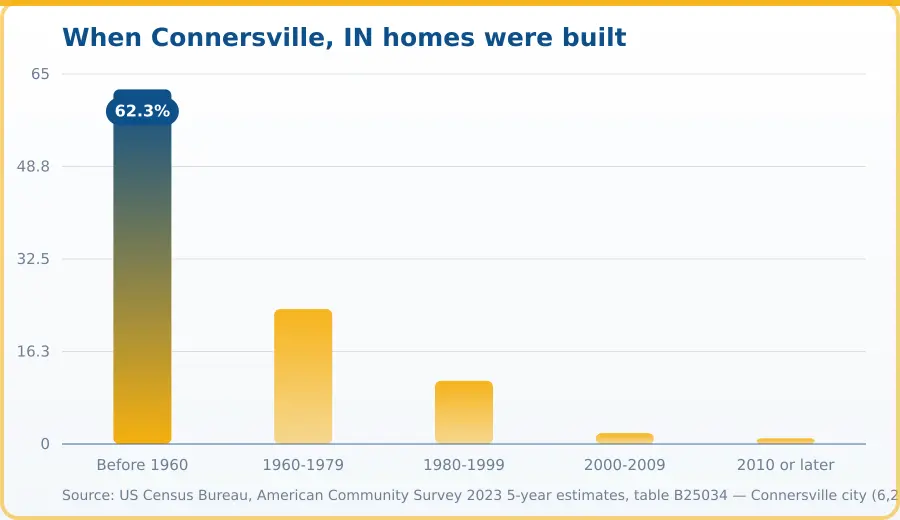
| Period | When homes were built (%) |
|---|---|
| Before 1960 | 62.3 |
| 1960-1979 | 23.7 |
| 1980-1999 | 11.1 |
| 2000-2009 | 1.9 |
| 2010 or later | 1 |
Source: US Census Bureau, American Community Survey 2023 5-year estimates, table B25034 — Connersville city (6,291 housing units). Retrieved October 5, 2026.
Seasonal Mold Inspection Needs in Connersville
Spring: Rising Moisture
Snowmelt and spring rainfall increase soil moisture around foundations, pushing dampness into basements and crawl spaces where mold thrives in hidden areas. Mold inspection during spring identifies growth triggered by winter snow accumulation and early thaw before it spreads through your home's structure and air.
Summer: Active Growth Season
Warm temperatures accelerate mold reproduction indoors, especially in spaces with poor ventilation or air-conditioning condensation. Barrett connects you with local mold inspectors who can detect active colonies and assess air quality before summer humidity makes indoor mold problems worse and harder to contain.
Fall: Humidity Lingers
As temperatures drop, moisture trapped in older home construction—particularly in basements and crawl spaces common to the area—becomes an ideal breeding ground for mold. Mold inspection in fall catches growth developing before winter sealing and heating cycles begin, preventing spores from circulating through occupied rooms.
Winter: Condensation Risk
Cold exterior walls and indoor heating create condensation buildup inside walls and on windows, supplying moisture mold needs to survive. Winter mold inspection by local providers helps identify problem areas where moisture collects during heating season, protecting indoor air quality when homes are sealed tight.
Mold Inspection FAQs — Connersville, IN
A mold inspection involves a thorough visual examination of your property, with special attention to areas prone to moisture accumulation. The inspector checks walls, ceilings, basements, crawl spaces, and other vulnerable zones. They may use moisture-detection tools and take samples for laboratory analysis to identify mold type and extent. You'll receive a detailed report documenting findings and recommendations for remediation if needed.
Barrett Mold Remediation works to connect Connersville property owners with local independent inspection providers promptly. Response times depend on inspector availability and your schedule, but the referral network is designed to get you in touch with qualified local professionals without delay. Contact Barrett to discuss your timeline and get matched with an available provider.
Mold inspection pricing typically depends on property size, inspection scope, and whether sampling or lab analysis is included. Homes with larger square footage, multiple stories, or extensive areas to evaluate may have higher costs. The independent provider you're connected with will discuss pricing details based on your specific property and inspection needs during an initial consultation.
Before the inspection, ensure the inspector has full access to all areas of your home, including basements, crawl spaces, attics, and mechanical rooms. Clear clutter where possible so the inspector can examine surfaces and check for moisture. Make note of any visible mold, water stains, or damp odors you've noticed and share these observations with the inspector to guide their assessment.
After remediation, maintain low indoor humidity and ensure proper ventilation throughout your home. Fix any plumbing leaks promptly and direct water away from foundations. In basements and crawl spaces, monitor for moisture buildup and improve drainage or add dehumidification as needed. Regular inspections help catch early signs of moisture or mold recurrence before they spread.
Connersville's humid climate creates persistently elevated moisture levels in homes, not just during wet seasons. Basements and crawl spaces in older properties are especially vulnerable to trapped moisture that promotes mold growth. This ongoing moisture pressure means inspections are a smart preventive step for local homeowners, helping identify mold early before it becomes widespread and costly to address.
Related Services
Homeowner Safety Toolkit
Verify Your Connersville, IN Mold Remediation Company
Before you hire anyone, use these independent national resources to confirm credentials, standards, and track record.
BBB
Look up any mold remediation company's complaint history, customer reviews, and accreditation status — a free, independent check before you hire.
Check StandingCDC
Covers the health effects of mold exposure and safe cleanup practices, separate from the remediation work itself — useful if anyone in the home has respiratory symptoms.
Mold Health GuideIICRC
Publishes the S520 standard for professional mold remediation. Confirm a company's technicians hold real, current IICRC certification before you hire them.
Verify CertificationDealing with Mold Inspection in Connersville, IN? Call (765) 885-6366 for 24/7 help.
Call Now — (765) 885-6366Areas We Serve in Connersville, Indiana
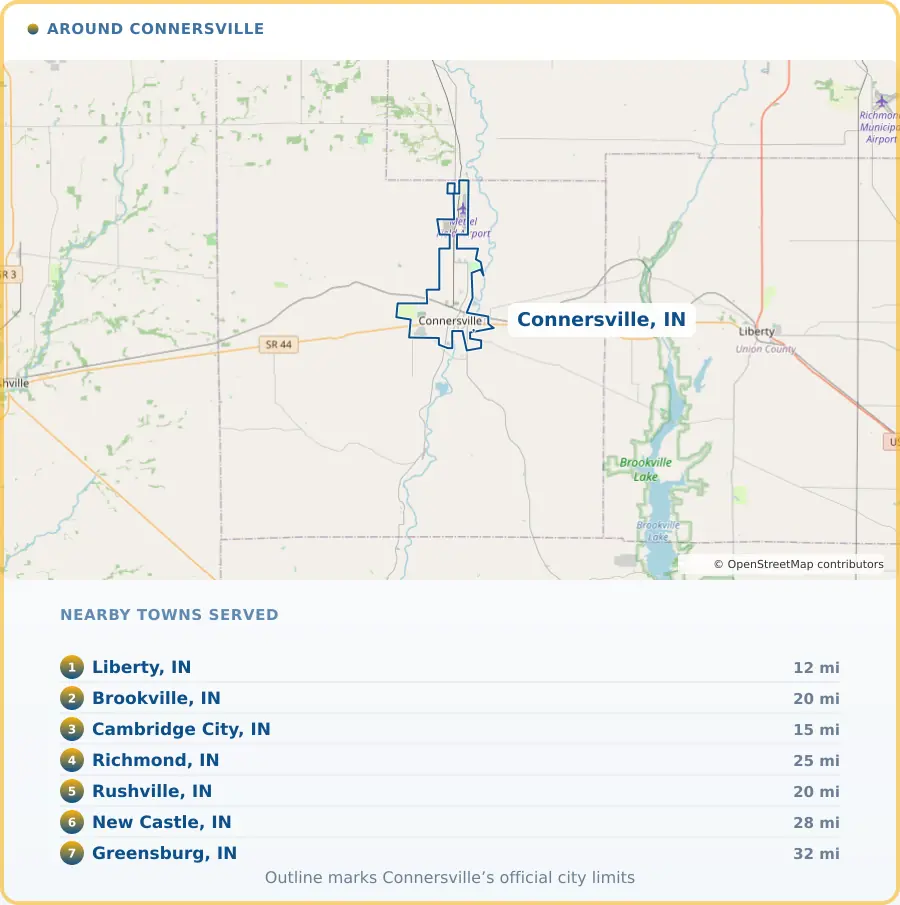
Connersville, IN is the centre of the service area, which extends to 7 surrounding towns. The map shows how far that reaches.
Connersville, IN Information
Tucked into east-central Indiana, Connersville still carries echoes of its old nickname, 'Little Detroit,' earned during decades as a hub of automobile manufacturing. That industrial spirit hasn't faded so much as evolved — today automotive parts production works alongside healthcare, agriculture, and steady retail activity to keep roughly 12,600 residents employed and the local economy humming. Fayette Regional Health System and long-running manufacturing operations remain cornerstones of the job market, joined by schools, county government, and familiar retailers that give the city its everyday rhythm.
It's a place that has learned to adapt without losing its character: a modest-sized Indiana community where farm fields, factory floors, and small-town main street life all share the same zip code, and where generations of families have built steady, practical lives.

Photo: Billy Hathorn, CC BY-SA 3.0