

Kitchen Mold Removal in Connersville, IN
Connersville's humid continental climate creates persistent moisture conditions year-round, and older homes with basements and crawl spaces throughout the area are especially vulnerable to trapped moisture that fuels mold growth—including in kitchens, where plumbing, appliances, and steam add to the risk. Kitchen mold removal requires prompt attention to prevent damage to cabinetry, subflooring, and wall structures while protecting indoor air quality. Barrett Mold Remediation connects Connersville property owners with local independent mold removal providers who can assess the source, contain the affected area safely, and restore your kitchen to a clean, dry state.
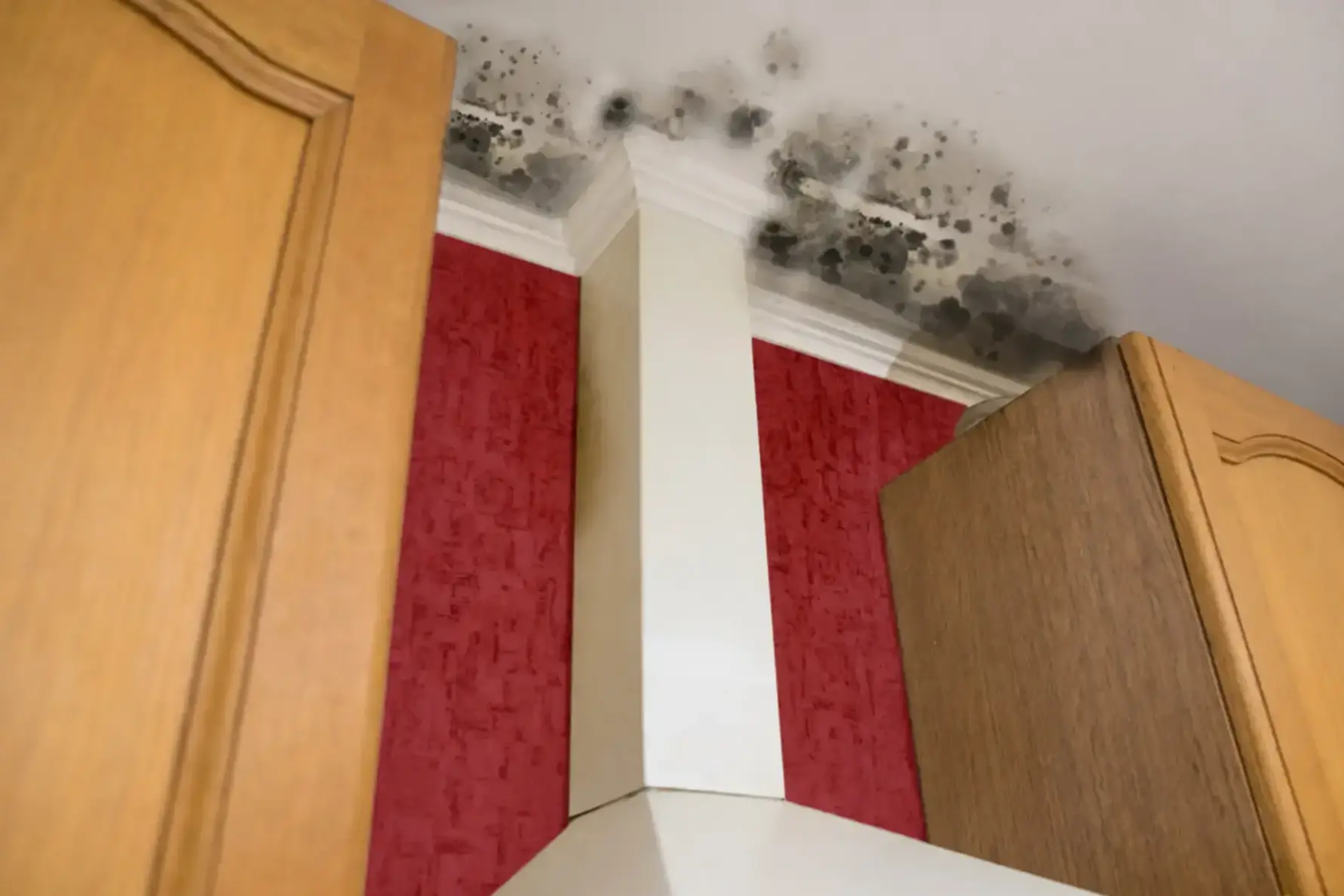
What gets cleaned in a kitchen, and what comes out
Two questions decide the scope of any mold job: what is it growing on, and how much of it is there. The EPA publishes an answer for both, and this is that guidance applied to the materials you would expect in a kitchen.
| Material | Under 10 sq ftabout a cabinet door, or one ceiling tile | 10 to 100 sq ftroughly one wall, or a small bathroom | Over 100 sq ftmore than one room's worth of surface |
|---|---|---|---|
| Non-porous, hard surfacestile, stone or laminate counters, splashbacks and sinksEPA, Table 2 | Wet vacuumDamp wipeHEPA vacuum | Wet vacuumDamp wipeHEPA vacuum | Wet vacuumDamp wipeHEPA vacuum |
| Wood surfacescabinet boxes, toe kicks and shelvingEPA, Table 2 | Wet vacuumDamp wipeHEPA vacuum | Wet vacuumDamp wipeHEPA vacuum | Wet vacuumDamp wipeHEPA vacuumRemove and discard |
| Wallboardthe wall behind cabinets, the sink and the dishwasherEPA, Table 2 | HEPA vacuum | HEPA vacuumRemove and discard | HEPA vacuumRemove and discard |
| Hard surface, porous flooringvinyl or tile flooring and the subfloor beneath itEPA, Table 2 | Wet vacuumDamp wipeHEPA vacuum | Wet vacuumDamp wipeHEPA vacuum | Wet vacuumDamp wipeHEPA vacuumRemove and discard |
What those methods mean, in EPA's words
- Wet vacuum
Wet vacuums are vacuum cleaners designed to collect water. They can be used to remove water from floors, carpets and hard surfaces where water has accumulated.
EPA, cleanup methods- Damp wipe
Mold can generally be removed from nonporous (hard) surfaces by wiping or scrubbing with water, or water and detergent.
EPA, cleanup methods- HEPA vacuum
HEPA (High-Efficiency Particulate Air) vacuums are recommended for final cleanup of remediation areas after materials have been thoroughly dried and contaminated materials removed.
EPA, cleanup methods- Remove and discard
Building materials and furnishings that are contaminated with mold growth and are not salvageable should be double-bagged using 6-mil polyethylene sheeting.
EPA, cleanup methods
These guidelines are for damage caused by clean water. If you know or suspect that the water source is contaminated with sewage, or chemical or biological pollutants, then Personal Protective Equipment and containment are required by OSHA.
EPA, Table 1Porous materials that are wet and have mold growing on them may have to be discarded.
EPA, cleanup methodsMold can grow on wood, drywall, carpet and furniture if they remain wet for more than 24 hours.
EPA, flood cleanup
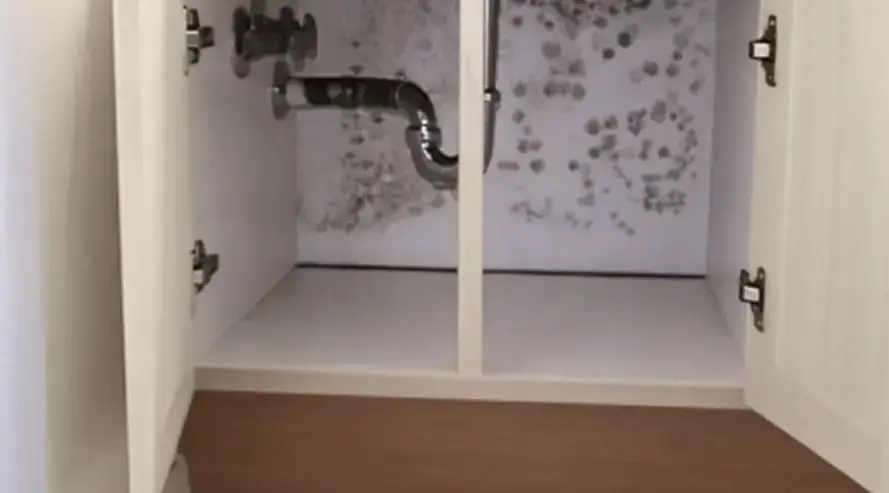
Under-sink and behind-appliance leaks are slow, so the cabinet floor and the wall behind are usually worse than anything visible at the front. Cabinet boxes are the awkward case: the carcase is wood, so EPA's wood guidance applies, but particleboard and MDF behave more like wallboard once they have swollen. Counters, splashbacks and sinks clean up and stay.
In Connersville, 62.3% of the housing stock went up before 1960 — an era of plaster, unlined cavities and supply lines that were never meant to be inspected.Source: US Census Bureau, American Community Survey 2023 5-year estimates, table B25034 — Connersville city (6,291 housing units)
Kitchen Mold Removal Solutions for Connersville Homes
Kitchens in Connersville face persistent moisture challenges that make them prime environments for mold growth. The region's humid continental climate maintains elevated indoor humidity year-round, and older homes throughout the area—many featuring basements and crawl spaces where moisture accumulates—create conditions where water vapor easily migrates upward and settles in above-ground living spaces. Kitchens amplify this risk through everyday moisture sources: steam from cooking, sink leaks, and condensation around windows. When humidity lingers and drainage issues go unaddressed, mold can colonize cabinets, walls, ceilings, and around appliances, compromising both the kitchen's integrity and indoor air quality for everyone in the home.
Barrett Mold Remediation connects Connersville property owners with independent local providers who specialize in thorough kitchen mold removal. These professionals identify moisture sources—from plumbing leaks to ventilation gaps—document the extent of growth, and execute safe containment and removal tailored to your kitchen's layout and damage level. Rather than patching symptoms, they address the underlying moisture conditions that allowed mold to take hold, and they guide you through prevention and monitoring so problems don't resurface. If you've noticed discoloration, musty odors, or visible growth in your kitchen, connecting with a local provider through Barrett puts you in touch with professionals ready to restore your space and protect your home's health.
Why Connersville Property Owners Choose Barrett Mold Remediation
Fast Kitchen Mold Removal
Barrett connects you with local providers who respond quickly to kitchen mold removal requests. Prompt action prevents mold from spreading deeper into walls, cabinets, and structural areas behind appliances.
Thorough Kitchen Mold Removal
Kitchen mold removal through Barrett's network includes complete assessment and safe containment. Local providers identify hidden moisture sources—around sinks, under counters, and behind fixtures—to remove mold and prevent recurrence.
Clear Kitchen Mold Removal Process
Barrett's providers explain kitchen mold removal step-by-step, from inspection through remediation. Transparent communication helps you understand what's affected, why treatment matters, and what to expect during recovery.
Connersville's Year-Round Moisture Challenge
Connersville's consistently elevated humidity creates persistent moisture conditions throughout the year. Older homes with basements and crawl spaces face trapped moisture that readily migrates upward into kitchens—making professional mold removal essential.
How Our Kitchen Mold Removal Process Works
Schedule Your Kitchen Mold Removal Visit
Contact Barrett Mold Remediation to describe kitchen mold concerns in your Connersville home. We connect you with a local mold removal provider who will schedule an inspection at your convenience to assess the extent and location of kitchen mold growth.
Professional Kitchen Mold Assessment
A local mold removal specialist inspects your kitchen to identify mold sources, moisture entry points, and affected surfaces. In Connersville's humid climate, trapped moisture in older homes frequently feeds kitchen mold—the inspection determines whether the problem originates from plumbing, ventilation, or moisture migration from basements and crawl spaces below.
Kitchen Mold Removal and Containment
The local provider removes contaminated materials, applies containment measures to prevent spore spread, and addresses the moisture conditions sustaining kitchen mold growth. Follow-up guidance helps you maintain proper ventilation and humidity to reduce the likelihood of recurrence in your kitchen.
Dealing with Kitchen Mold Removal in Connersville? Get fast, professional help.
Call Now — (765) 885-6366Kitchen Mold Removal Across Connersville
Kitchens in Connersville homes face unique moisture challenges due to the region's consistently elevated humidity levels throughout the year. This persistent moisture pressure—not limited to seasonal storms—creates an ongoing environment where mold can develop in and around kitchen spaces. Older properties common to the area, many with basements and crawl spaces below, are particularly susceptible to moisture migration that reaches upper floors, including kitchens. Water intrusion from ground moisture, condensation on pipes and windows, and inadequate ventilation around sinks and appliances can all trigger mold growth in kitchen cabinets, walls, and ceilings.
Addressing kitchen mold removal in Connersville requires providers who understand these local moisture patterns and can identify mold at its source—whether it originates from foundation-level dampness or from everyday kitchen activities. Thorough inspection and targeted remediation help restore indoor air quality and protect your home's structure. Barrett Mold Remediation connects Connersville property owners with local providers who can assess kitchen mold problems and develop removal plans tailored to your home's specific conditions.
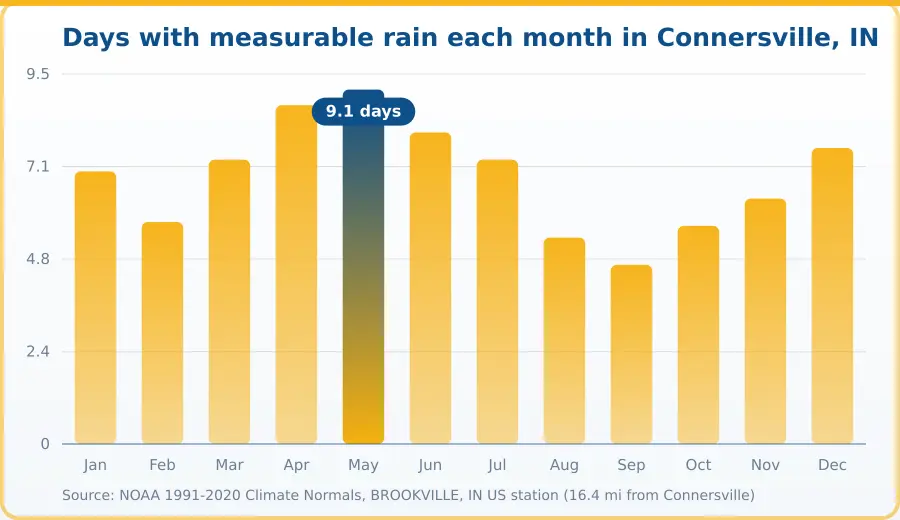
| Period | Days with measurable rain by month (days) |
|---|---|
| Jan | 7 |
| Feb | 5.7 |
| Mar | 7.3 |
| Apr | 8.7 |
| May | 9.1 |
| Jun | 8 |
| Jul | 7.3 |
| Aug | 5.3 |
| Sep | 4.6 |
| Oct | 5.6 |
| Nov | 6.3 |
| Dec | 7.6 |
Source: NOAA 1991-2020 Climate Normals, BROOKVILLE, IN US station (16.4 mi from Connersville). Retrieved October 5, 2026.
Kitchen Mold Removal Across Connersville's Seasons
Spring: Thaw and Moisture Surge
As snow melts and spring rains increase, kitchens experience rising indoor humidity and potential water intrusion around foundations and crawl spaces—common moisture entry points that feed mold growth behind cabinets and under sinks. Barrett connects you with local removal providers who identify and address these water sources before mold spreads.
Summer: Heat and Kitchen Condensation
Summer cooking, dishwashing, and heat amplify kitchen moisture and condensation on windows, pipes, and exhaust ductwork, creating ideal conditions for mold to establish on walls, ceilings, and around appliances. Local providers help assess ventilation issues and remove active mold before it becomes entrenched in summer's peak humidity.
Fall: Persistent Humidity and Indoor Shift
Connersville's humid continental climate maintains elevated moisture levels year-round, keeping kitchens vulnerable to mold even as outdoor conditions cool—especially in older homes with basements and crawl spaces where trapped moisture travels upward through walls and framing. Barrett's network helps homeowners find providers who trace moisture sources and remove kitchen mold before winter sealing locks problems inside.
Winter: Condensation and Sealed Homes
Closed windows and active heating create temperature swings that generate condensation on kitchen surfaces, windows, and around cold exterior walls, while reduced ventilation concentrates moisture indoors. Local providers can identify and remove winter mold growth and recommend ventilation improvements to prevent recurring issues through spring.
Kitchen Mold Removal FAQs — Connersville, IN
Kitchen mold removal involves identifying affected surfaces—cabinets, walls, countertops, under sinks—and safely removing contaminated materials. The process includes containment to prevent spore spread, cleaning or replacement of moldy areas, and addressing the moisture source driving growth. Local providers in Connersville assess whether surfaces can be cleaned or need removal, then restore the kitchen to safe, dry conditions.
Barrett Mold Remediation connects Connersville property owners with independent local providers who can respond to kitchen mold concerns. Contact us to be matched with a provider in your area who can schedule an inspection and discuss removal timelines based on the scope of your kitchen mold problem.
Kitchen mold removal costs depend on the affected area size, materials involved (drywall, cabinets, flooring), whether moisture sources require repair, and how much containment is needed during work. The independent provider you're connected with will assess your kitchen and explain pricing factors before starting remediation.
Before kitchen mold removal, remove personal items and food from affected cabinets and nearby areas. Clear workspace access so providers can safely contain and remove moldy materials. The local provider you work with will give specific preparation instructions once they inspect your kitchen and develop a remediation plan.
After kitchen mold removal, keep humidity low by using exhaust fans while cooking and bathing, wiping spills promptly, and ensuring pipes and faucets don't leak. Fix any sources of standing water or moisture seepage, and maintain good ventilation. Regular monitoring of under-sink areas and damp corners helps catch early moisture before mold returns.
Connersville's humid climate keeps moisture levels elevated throughout the year, not just seasonally, creating ongoing conditions for kitchen mold to develop. High indoor humidity, combined with cooking and plumbing activity, can feed mold growth any time. Regular attention to moisture and prompt removal keeps your kitchen safe and air quality healthy across all seasons.
Related Services
Homeowner Safety Toolkit
Verify Your Connersville, IN Mold Remediation Company
Before you hire anyone, use these independent national resources to confirm credentials, standards, and track record.
BBB
Look up any mold remediation company's complaint history, customer reviews, and accreditation status — a free, independent check before you hire.
Check StandingCDC
Covers the health effects of mold exposure and safe cleanup practices, separate from the remediation work itself — useful if anyone in the home has respiratory symptoms.
Mold Health GuideIICRC
Publishes the S520 standard for professional mold remediation. Confirm a company's technicians hold real, current IICRC certification before you hire them.
Verify CertificationDealing with Kitchen Mold Removal in Connersville, IN? Call (765) 885-6366 for 24/7 help.
Call Now — (765) 885-6366Areas We Serve in Connersville, Indiana
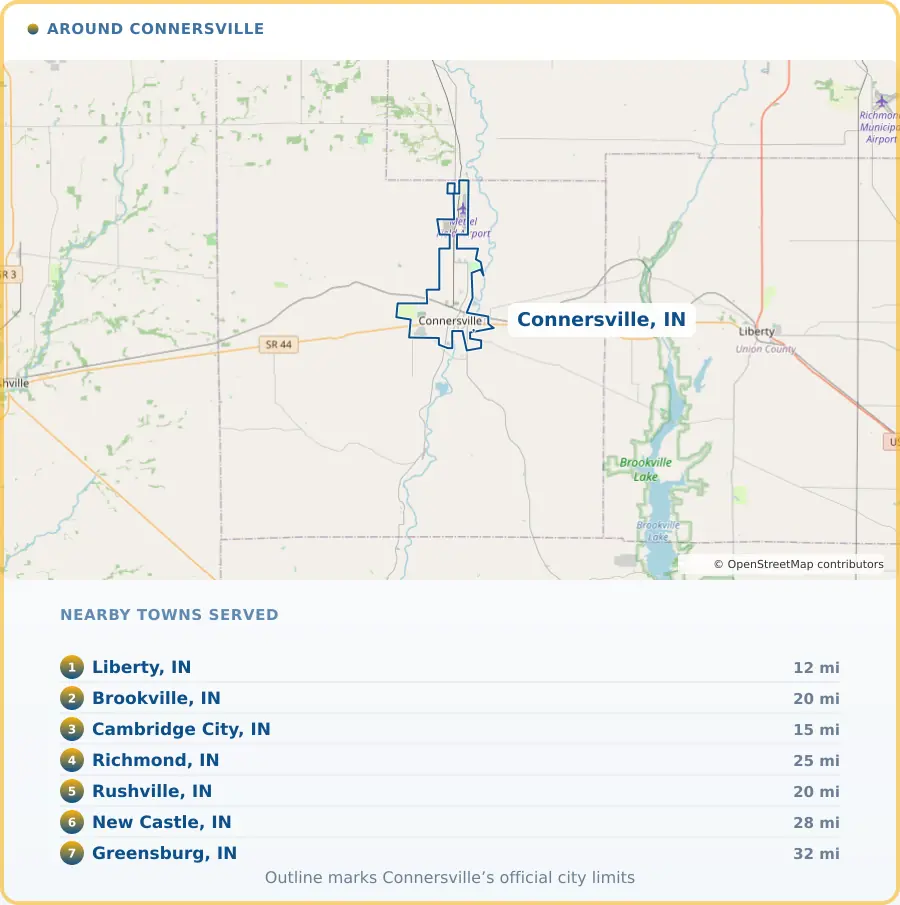
Connersville, IN is the centre of the service area, which extends to 7 surrounding towns. The map shows how far that reaches.
Connersville, IN Information
Tucked into east-central Indiana, Connersville still carries echoes of its old nickname, 'Little Detroit,' earned during decades as a hub of automobile manufacturing. That industrial spirit hasn't faded so much as evolved — today automotive parts production works alongside healthcare, agriculture, and steady retail activity to keep roughly 12,600 residents employed and the local economy humming. Fayette Regional Health System and long-running manufacturing operations remain cornerstones of the job market, joined by schools, county government, and familiar retailers that give the city its everyday rhythm.
It's a place that has learned to adapt without losing its character: a modest-sized Indiana community where farm fields, factory floors, and small-town main street life all share the same zip code, and where generations of families have built steady, practical lives.
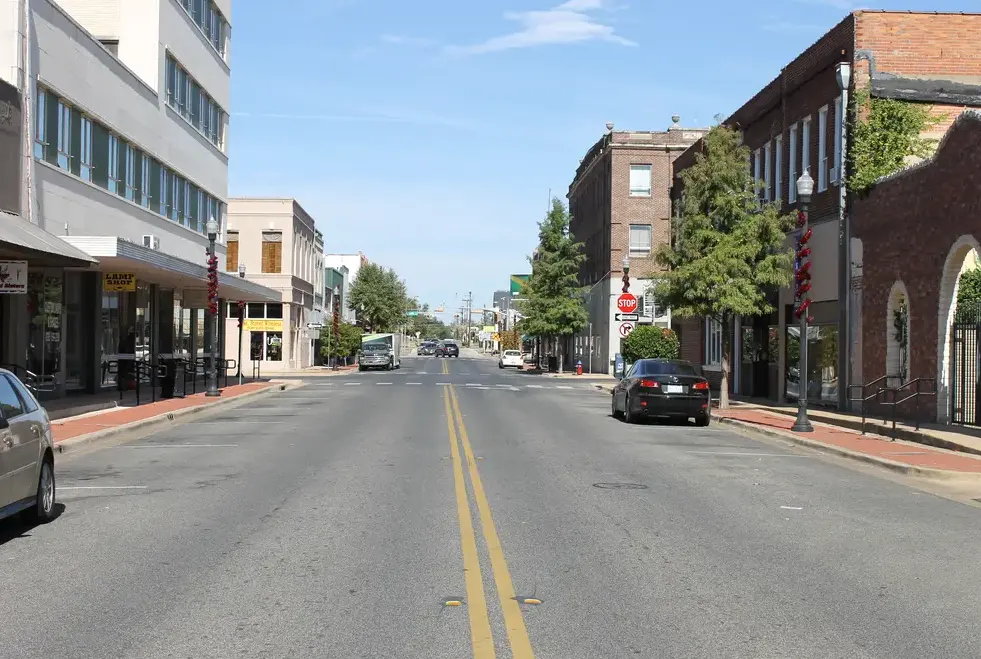
Photo: Billy Hathorn, CC BY-SA 3.0